The yoga sutra of Patanjali
Raja Yoga-
MIP Study group
Lesson 2 and 3:
Indian Philosophy and the Role of Raja Yoga
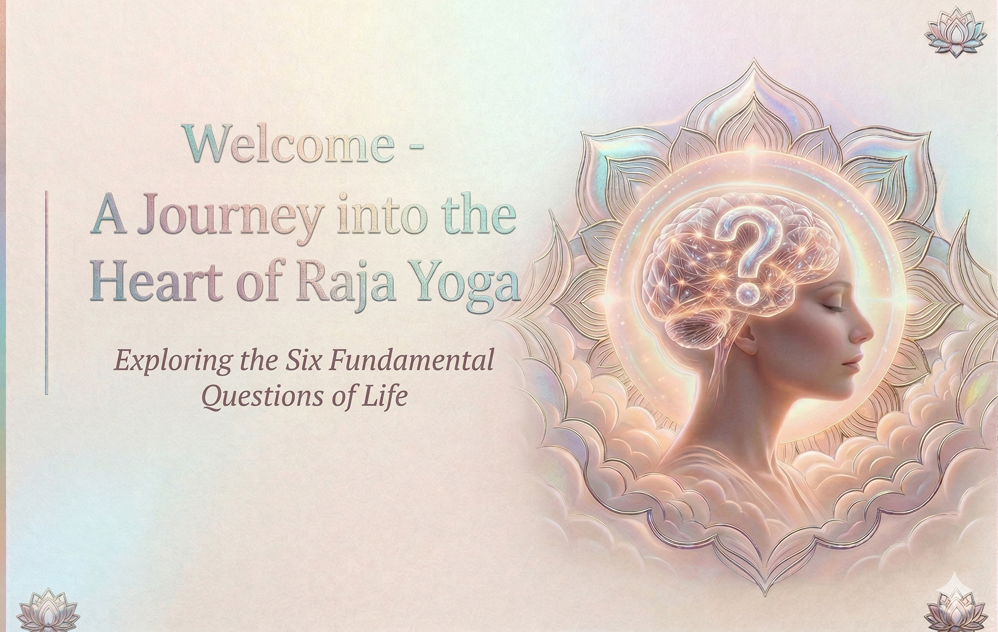
Welcome — A Journey into the Heart of Raja Yoga
Preparing the ground for a deeper understanding of the Yoga Sūtras
Welcome — Entering the Heart of Raja Yoga
This week, you are invited into a very special experience.
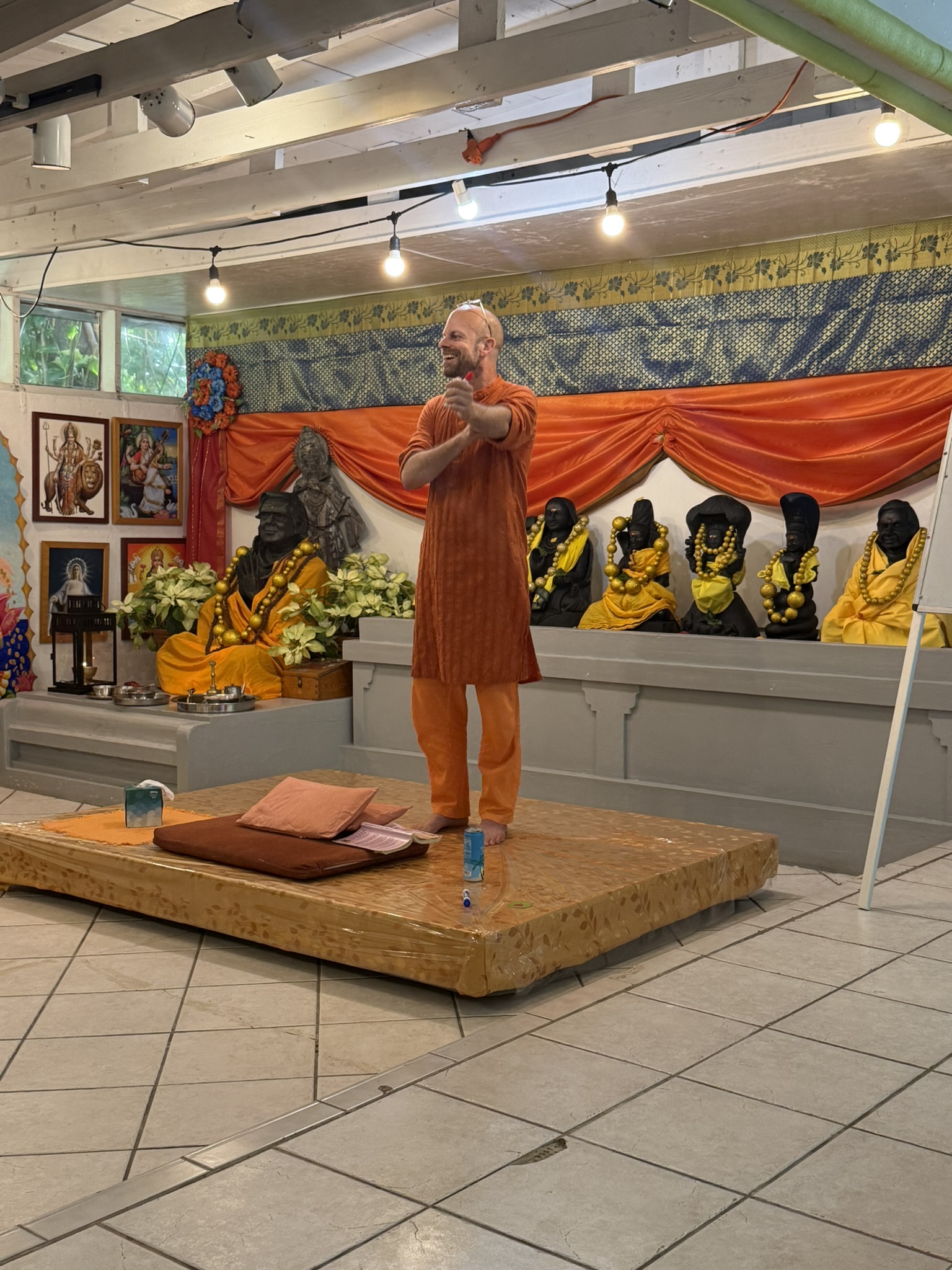
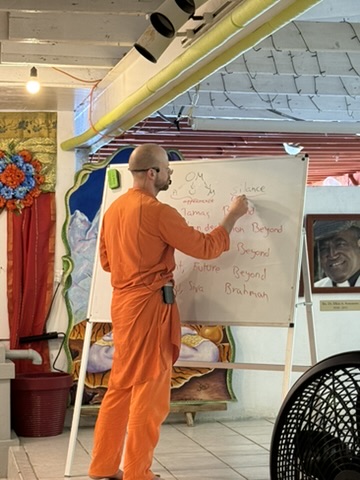
Together, we will take a symbolic journey to Nassau,
into the sacred atmosphere of the Ashram,
where we will join Swamiji and enter the living context of the ATTC class.
In this session, we begin to widen our view.
Raja Yoga is not only a set of practices.
It is part of a vast philosophical tradition
that seeks to answer the deepest questions of human life.
During this class, we will explore the six fundamental questions
that every true philosophical system must address.
These questions help us understand:
- what is reality
- what is creation
- who is the creator
- who am I
- why do I suffer
- and what is the way to liberation
To understand the Yoga Sūtras,
we must first understand the landscape
in which they appear.
This is why this session is so important.
It lays the foundation for everything that follows.
From listening…
to reflecting…
to understanding…
the journey continues.
Let’s take a moment to arrive… not only physically, but mentally.
The “Disease of the Mind” according to Patanjali
- We see the temporary as eternal
- We see the painful as pleasurable
- We see the impure as pure
- And most importantly, we mistake the non-Self for the Self
The Core Illusion
What we currently experience as “myself” —
the body, the thoughts, the sensations, the personality —
👉 is not who we truly are.
Yet, due to this “disease of the mind,” we:
- Identify with the body
- Identify with thoughts and emotions
- Believe “this is me”
- Try to protect, improve, and elevate this false identity
This identification is not accidental —
it is automatic and compulsive.
🎭 A Powerful Analogy
It is like a writer who begins to believe:
👉 “I am the pen.”
In the same way:
- You are not the body
- You are not the mind
- You are not the senses
👉 You are that which expresses through them
🌟 Why the Sages Teach
Great beings like:
- Patanjali
- Gautama Buddha
- Krishna
👉 see this suffering clearly — even before we feel it.
Because of their compassion, they:
- Perceive the suffering we ignore
- Feel it deeply
- Teach a path to prevent it, not only cure it
Like a preventive medicine, yoga removes suffering before it fully manifests.
🧘 The Path of Yoga
Yoga is a process of involution:
👉 moving from identification with matter
👉 back to the realization of pure consciousness
Right now, we believe:
- “Awareness belongs to my mind”
But in truth:
👉 The mind appears in awareness — not the other way around
✨Essential Insight
The real error is this:
“I am the body, I am the mind”
The truth is:
“I am the awareness in which body and mind appear”
What Is Indian Philosophy?
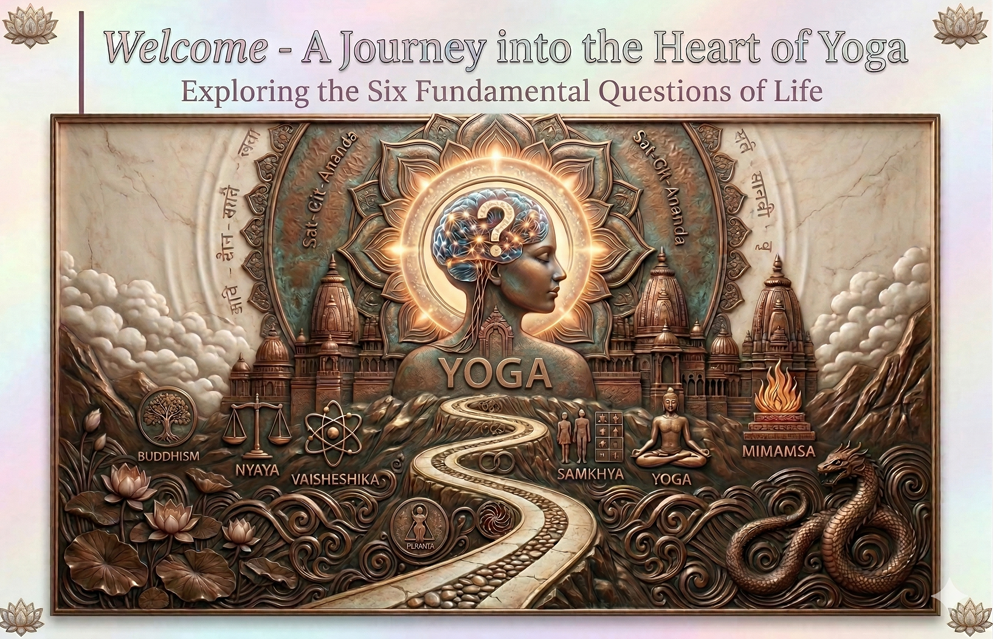
Indian philosophy is not merely an intellectual or theoretical pursuit. It is a practical and experiential system designed to guide human beings toward freedom from suffering and the realization of their true nature.
Unlike many philosophical traditions that remain largely speculative, Indian philosophy aims at transformation. It seeks not only to understand reality but to provide the means to experience it directly.
Raja Yoga is one of these systems. While it offers practical techniques such as meditation and self-discipline, it is also deeply philosophical, addressing fundamental questions about reality, the self, and liberation.
Astika and Nastika: Two Great Streams
Indian philosophical systems are traditionally classified into two main categories
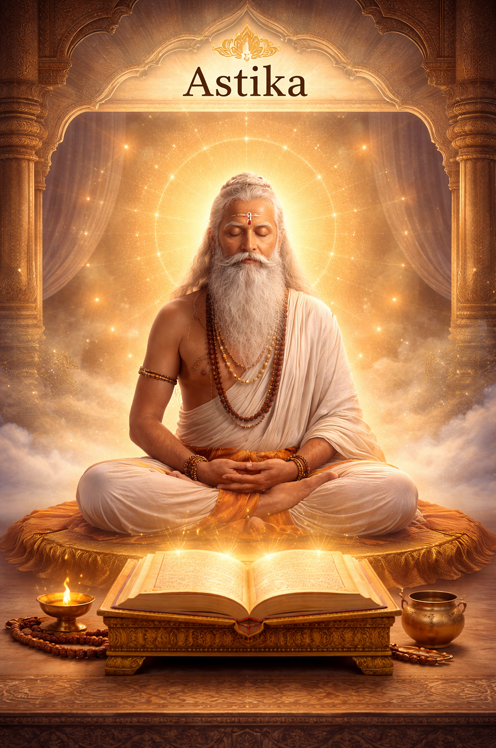
Astika
These systems accept the authority of the Vedas as a valid source of knowledge. They include:
- Nyaya – The school of logic and reasoning.
- Vaisheshika – The study of the nature of reality and its categories.
- Sankhya – The analysis of consciousness (Purusha) and matter (Prakriti).
- Yoga – The practical methodology for realizing this distinction.
- Mimamsa – The interpretation of Vedic rituals and duties.
- Vedanta – The inquiry into the ultimate reality, Brahman.
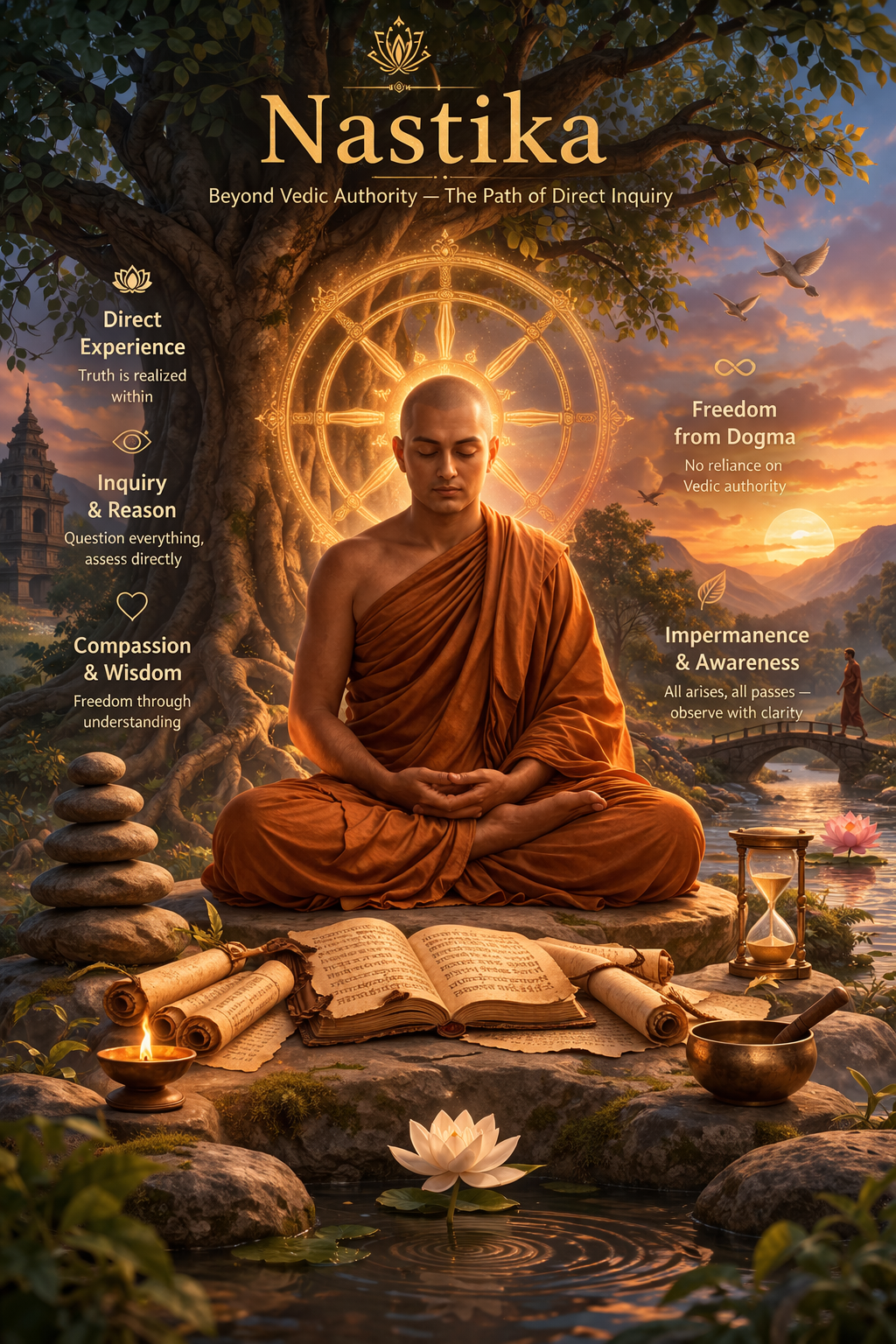
Nastika
These systems do not accept the authority of the Vedas. The most prominent example is:
- Buddhism, which offers its own path to liberation and understanding of suffering.
This classification helps situate Raja Yoga within the broader philosophical context of India.
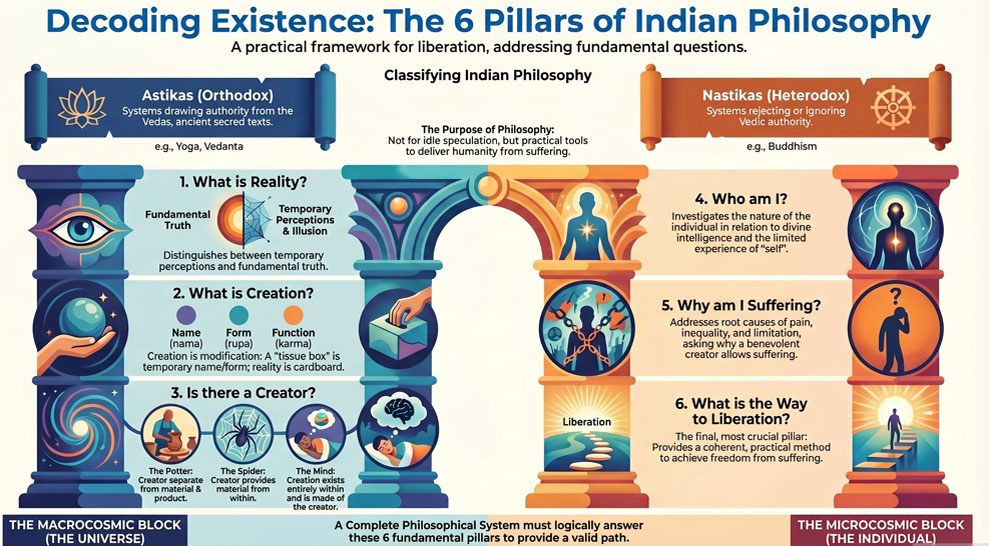
The Six Fundamental Questions :
Every philosophical system seeks to answer essential questions about existence. According to Swamiji, these questions are not merely intellectual—they arise naturally in every human being when we begin to reflect on life, suffering, and our true nature.
Understanding these questions provides the philosophical foundation necessary to approach the Yoga Sūtras of Patanjali with clarity and depth.
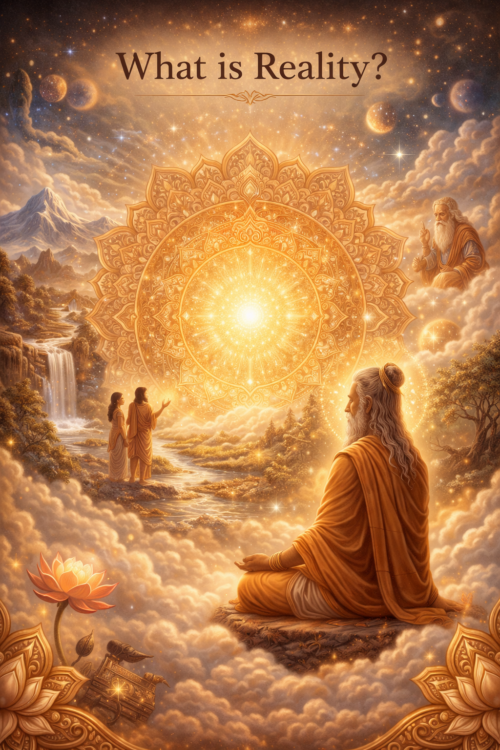
Teaching of Swamiji
Swamiji explains that the first inquiry of any philosophical system concerns the nature of ultimate reality. While the world appears diverse and constantly changing, Indian philosophy points to an underlying, unchanging truth known as Brahman—pure consciousness.
What we perceive through the senses is subject to change and therefore cannot be absolute reality. True reality is that which is eternal, limitless, and independent of time and space.
Explanation
This question invites us to shift our perspective from the transient to the permanent. Recognizing that our essential nature is pure consciousness lays the groundwork for spiritual inquiry and liberation.
Key Insight
Reality is not what changes, but that which remains unchanged behind all change.
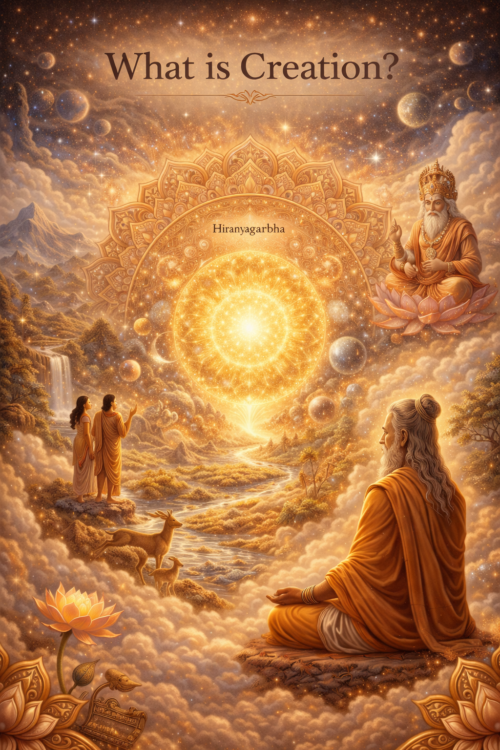
Teaching of Swamiji
Swamiji describes creation as the manifestation of the universe from this ultimate reality. Different philosophical schools explain this relationship through various analogies:
- The Potter and the Clay – The potter represents the intelligent cause, while the clay represents the material cause.
- The Spider and the Web – The spider is both the intelligent and material cause of the web.
- The Dream and the Mind – The mind is the intelligent, material, and supporting cause of the dream; the dream cannot exist independently of it.
These analogies help illustrate how the universe may arise from and remain dependent upon its source.
Explanation
Understanding creation allows us to see the interconnectedness of all existence and our relationship with the ultimate reality.
Key Insight
Creation is not separate from its source; it is an expression of it.
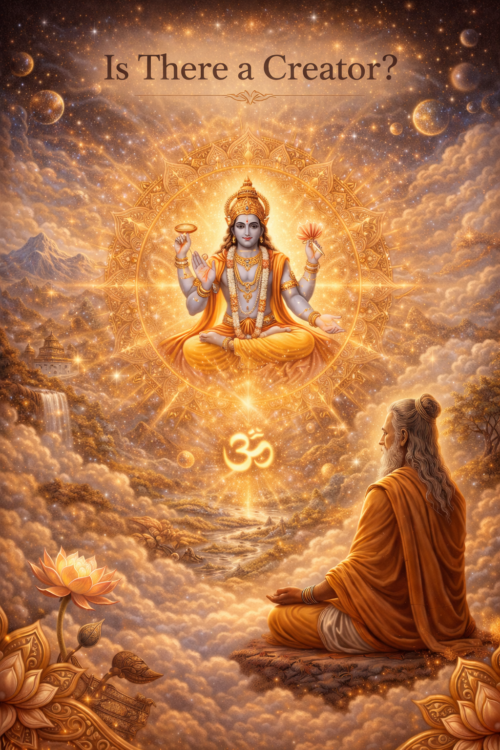
Teaching of Swamiji
Swamiji explains that the concept of a Creator (Īśvara) varies among philosophical systems. In Yoga philosophy, Īśvara is understood as a special puruṣa—untouched by afflictions, actions, or their results—serving as a guiding principle and an object of meditation.
Rather than focusing solely on theological debates, the Yoga tradition emphasizes the practical role of Īśvara in supporting spiritual practice and inner transformation.
Explanation
This perspective allows practitioners to develop devotion, surrender, and trust, which help quiet the mind and deepen meditation.
Key Insight
The Creator is not only a cosmic principle but also a source of guidance and inspiration for the seeker.
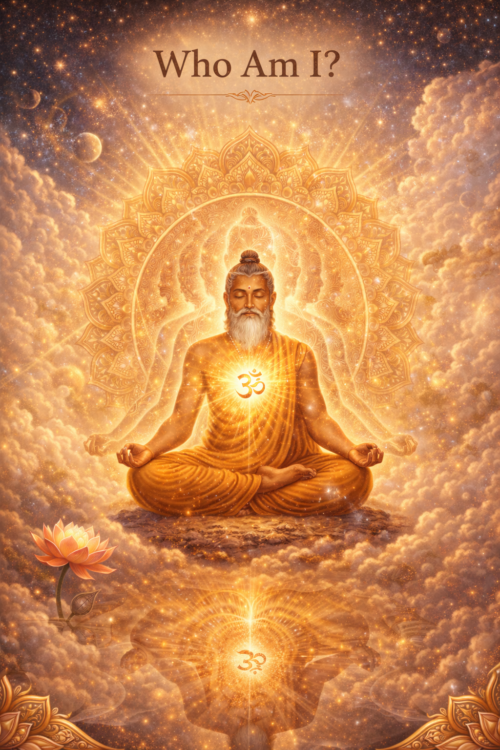
Teaching of Swamiji
This question lies at the heart of all spiritual inquiry. Swamiji teaches that our true identity is not the body, mind, or emotions, but pure consciousness—the witnessing presence behind all experiences.
Due to Avidyā (ignorance), we mistakenly identify with what is changing, leading to confusion and suffering.
Explanation
Through self-inquiry and meditation, we gradually disidentify from the transient aspects of our experience and recognize our true nature as the Self (Ātman).
Key Insight
You are not what you experience; you are the awareness in which all experiences arise.
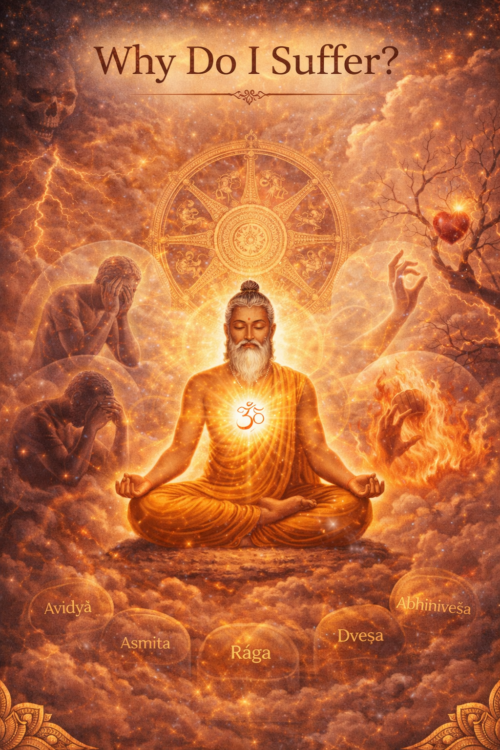
Teaching of Swamiji
Swamiji emphasizes that suffering arises from Avidyā, the fundamental ignorance described in the Yoga Sūtras. This ignorance gives rise to the other kleśas (afflictions):
- Avidyā – Misunderstanding reality.
- Asmitā – Egoism or identification with the mind.
- Rāga – Attachment.
- Dveṣa – Aversion.
- Abhiniveśa – Fear of death or clinging to life.
Explanation
By recognizing these causes, we begin to understand that suffering is not random but follows a discernible pattern that can be transformed through knowledge and practice.
Key Insight
Suffering is not inherent to our nature; it arises from misidentification.
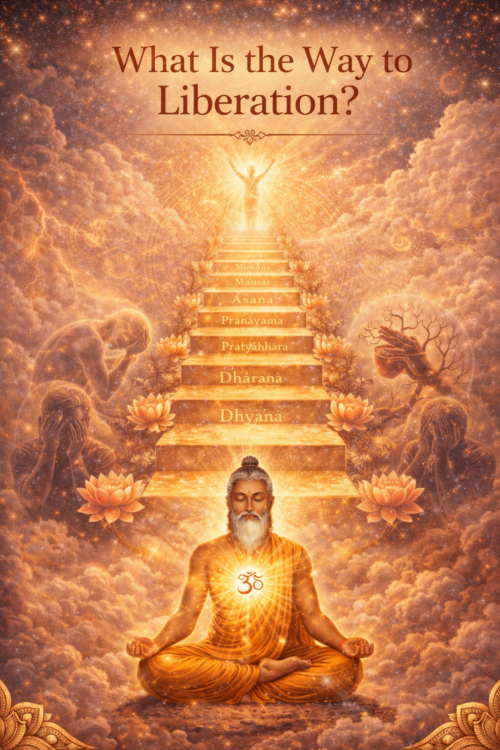
Teaching of Swamiji
The final question concerns the path to freedom from suffering. Swamiji explains that Raja Yoga provides a systematic method for liberation through the Eight Limbs of Yoga (Ashtanga Yoga):
- Yama – Ethical restraints
- Niyama – Personal observances
- Asana – Posture
- Pranayama – Regulation of breath
- Pratyahara – Withdrawal of the senses
- Dharana – Concentration
- Dhyana – Meditation
- Samadhi – Absorption or realization
Explanation
This structured path guides the practitioner from ethical living to the direct realization of the Self, culminating in Kaivalya, or ultimate freedom.
Key Insight
Liberation is achieved through disciplined practice and clear understanding.
Conclusion
These six questions form the philosophical foundation of Raja Yoga. By contemplating them, we prepare the mind to approach the Yoga Sūtras with depth and sincerity. Raja Yoga is not merely a theoretical system; it is a living path leading from inquiry to realization.
Practice of the Week with Swamiji
Enter this guided meditation with Swami Shambhudevananda. This practice is not about controlling the mind,
but about learning to see it as it is.
Through simple awareness, the movements of the mind become visible…
and what was unconscious begins to reveal itself.
Let yourself remain present, without effort, without judgment.
Calming the parasympathetic nervous system
https://online.sivananda.co.il/video-src/49a11cd568/59169Sankalpa — The Power of Inner Resolve
A sankalpa is not a wish —
it is a commitment to transformation.
This is my sankalpa
Today, I commit to observing my inner experience with openness and sincerity, allowing clarity to arise as I inquire into the truth of who I am.”
What is yours?
Raja Yoga Teachings with Swami Shambhudevananda